

Eau de parfum vs eau de toilette (and extrait): what changes, and which strength to try
Eau de parfum carries more perfume oil than eau de toilette, and extrait de parfum more again, but one name on two strengths often hides two formulas. What each label means, and how to wear both before you choose.
In this guide
The difference between eau de parfum and eau de toilette is concentration: an eau de parfum dissolves more perfume oil in its alcohol, so it usually feels richer and leans into its base notes sooner, while an eau de toilette is lighter, brighter and easier at a desk or in the heat. What the label will not tell you is that two strengths sharing one name are often two different compositions, so the fair way to choose is to wear both.
This guide explains each label, from eau de cologne to extrait de parfum, shows how far apart the versions of a few well-known perfumes really are, puts their price per ml side by side, and ends with a simple way to test two strengths on your own skin before you buy a bottle.
One name, more than one strength
Twelve of the perfumes in this guide, in the order they appear, so you can try two versions of the same name side by side.
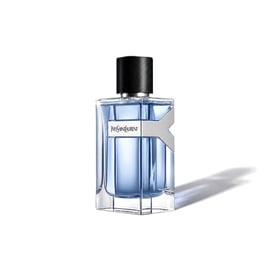
Yves Saint Laurent
Y Eau de Toilette
Aldehydes, bergamot and ginger over clary sage and lavender, on ambergris, cedar and vanilla.
3ml · 10ml · 30ml
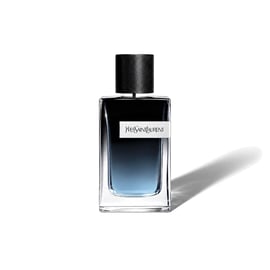
Yves Saint Laurent
Y Eau de Parfum
Apple, ginger and bergamot, sage and juniper berries, on amberwood, tonka bean and cedar.
3ml · 10ml · 30ml
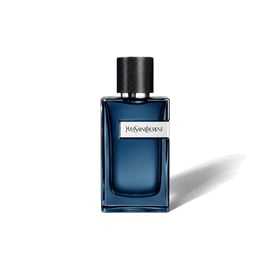
Yves Saint Laurent
Y Eau de Parfum Intense
Ginger and juniper berries, geranium and lavender, on an earthier base of vetiver and patchouli.
3ml · 10ml · 30ml
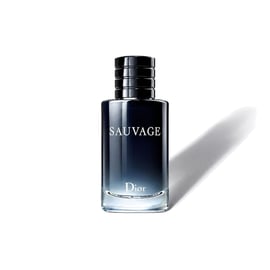
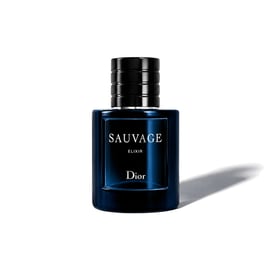
Dior
Sauvage
Pepper and Calabrian bergamot, a peppery lavender heart, on ambroxan, cedar and labdanum.
3ml · 10ml · 30ml
Dior
Sauvage Elixir
Cardamom, cinnamon and grapefruit over lavender, on amber, licorice, patchouli and sandalwood.
3ml · 10ml · 30ml
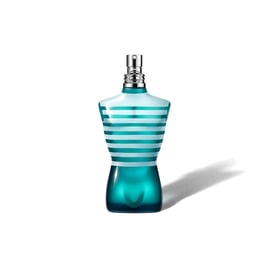
Jean Paul Gaultier
Le Male
Lavender, mint and cardamom over cinnamon and orange blossom, on vanilla and tonka bean.
3ml · 10ml · 30ml
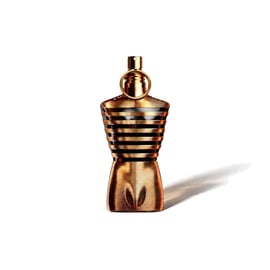
Jean Paul Gaultier
Le Male Elixir
Lavender and mint straight into vanilla and benzoin, finishing on honey and tobacco.
3ml · 10ml · 30ml
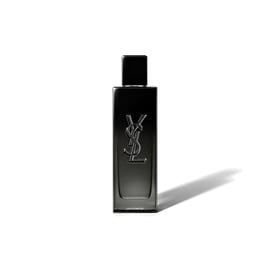
Yves Saint Laurent
MYSLF Eau de Parfum
Calabrian bergamot and Tunisian orange blossom on ambrofix and patchouli, clean and bright.
3ml · 10ml · 30ml
Yves Saint Laurent
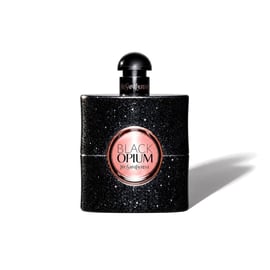
Black Opium
Pear and pink pepper, coffee and jasmine, on vanilla, patchouli and cashmere wood.
3ml · 10ml · 30ml
Yves Saint Laurent
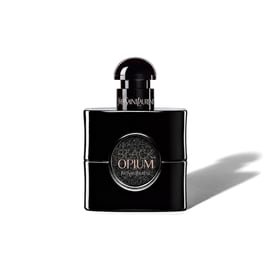
Black Opium Le Parfum
Cinnamon and pear, jasmine sambac, on four vanillas with coffee and patchouli.
3ml · 10ml · 30ml
Yves Saint Laurent
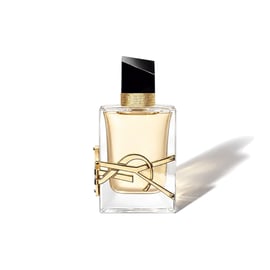
Libre
Mandarin orange and lavender, orange blossom and jasmine, on Madagascar vanilla and musk.
3ml · 10ml · 30ml
Yves Saint Laurent
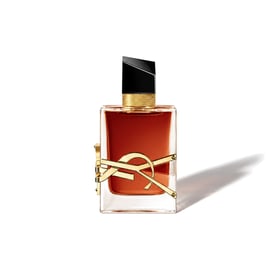
Libre Le Parfum
Ginger and saffron over lavender and orange blossom, on bourbon vanilla, honey and tonka bean.
3ml · 10ml · 30ml
What the labels on the box mean
Every perfume is a blend of aromatic materials diluted in alcohol, usually with a little water. The name on the box describes, roughly, how much of that blend is in the liquid. From lightest to richest:
- Eau de cologne: the lightest, traditionally built on citrus and herbs, made to be splashed on and refreshed.
- Eau de toilette: light and bright, the classic strength for fresh, everyday scents.
- Eau de parfum: a denser dose, with more of the heart and base present from the first spray.
- Parfum or extrait de parfum: the most concentrated, usually worn in small amounts and close to the skin.
The ranges people quote are looser than they sound. The Wikipedia summary of perfume types puts eau de toilette at roughly 5 to 15 per cent aromatic compounds, eau de parfum at roughly 15 to 20, and parfum or extrait at 15 to 30, and it says plainly that sources differ considerably. There is no single rule shared by every house, so one brand's eau de toilette can be richer than another brand's eau de parfum.
Houses also give their stronger versions their own names: Intense, Le Parfum, Elixir, Eau Forte, Extrait. These tell you the house meant the new version to be deeper. They do not tell you how, and they rarely mean the same formula at a higher dose.
The oldest of these names comes from Cologne, where Johann Maria Farina first mixed his scented water in 1709, as the Wikipedia history of eau de Cologne recounts.
What is eau de toilette?
Eau de toilette is a lightly concentrated perfume: less perfume oil than an eau de parfum, more than an eau de cologne. The French name means something close to "grooming water", from the days when scented waters were splashed on after washing or shaving, and the Wikipedia entry on eau de toilette traces it back to lavender, violet and other single-flower waters.
Lavender is still a mainstay of men's perfume, and the Wikipedia article on lavender covers the plant and the oil distilled from it.
Today it is simply the lighter strength of a modern perfume. In practice that means three things:
- The opening leads. Citrus, herbs and bright spices sit forward, so an eau de toilette often smells crisper in its first half hour than the richer version of the same name.
- It invites more sprays. Because each spray carries less oil, an extra spray or an afternoon top-up is normal rather than too much.
- It suits close quarters. Offices, trains, warm weather and summer days are where a lighter strength tends to feel right.
Men's fragrances were long sold mostly as eau de toilette. That habit is fading, and many recent launches start at eau de parfum instead, which is why a family such as Y now comes in three strengths.
Is eau de parfum stronger than eau de toilette?
In one sense, yes: there is more perfume in every spray. In the sense most people mean, louder and longer on skin, it depends.
More concentration usually shifts the balance of a scent towards its heart and base. The bright opening notes, such as citrus peel, ginger or aldehydes, are small, light molecules that evaporate quickly whatever the strength, so an eau de parfum does not keep them around much longer. What it keeps is the woods, resins, vanilla and musks underneath, which is why richer versions often read as warmer and smoother rather than simply louder.
How far a perfume travels from your skin, and how long you can still smell it, also depends on the materials themselves, on your skin and on the weather. A light eau de toilette built on woody amber molecules can outlast a floral eau de parfum. Heat makes everything bloom faster and fade sooner; cold air keeps a scent closer.
So a better question than "which is stronger?" is "which version suits the way I will wear it?". An eau de toilette invites a second spray. An eau de parfum asks for a lighter hand, especially in a small room.
What is extrait de parfum?
Extrait de parfum, often shortened to extrait or simply parfum, is the richest strength a house usually sells. It carries the highest share of perfume oil, it is often sold in smaller bottles, and it is traditionally dabbed or sprayed sparingly on pulse points rather than misted over clothes.
An extrait is not always louder than the eau de parfum. More oil and less alcohol can make a scent sit closer to the skin while lasting longer there, so it reads as dense and intimate rather than big. The two extraits in this guide, from Dior and Maison Francis Kurkdjian, are good examples: each has its own list of notes, and neither is simply the original turned up.
Same name, different formula: the Y family
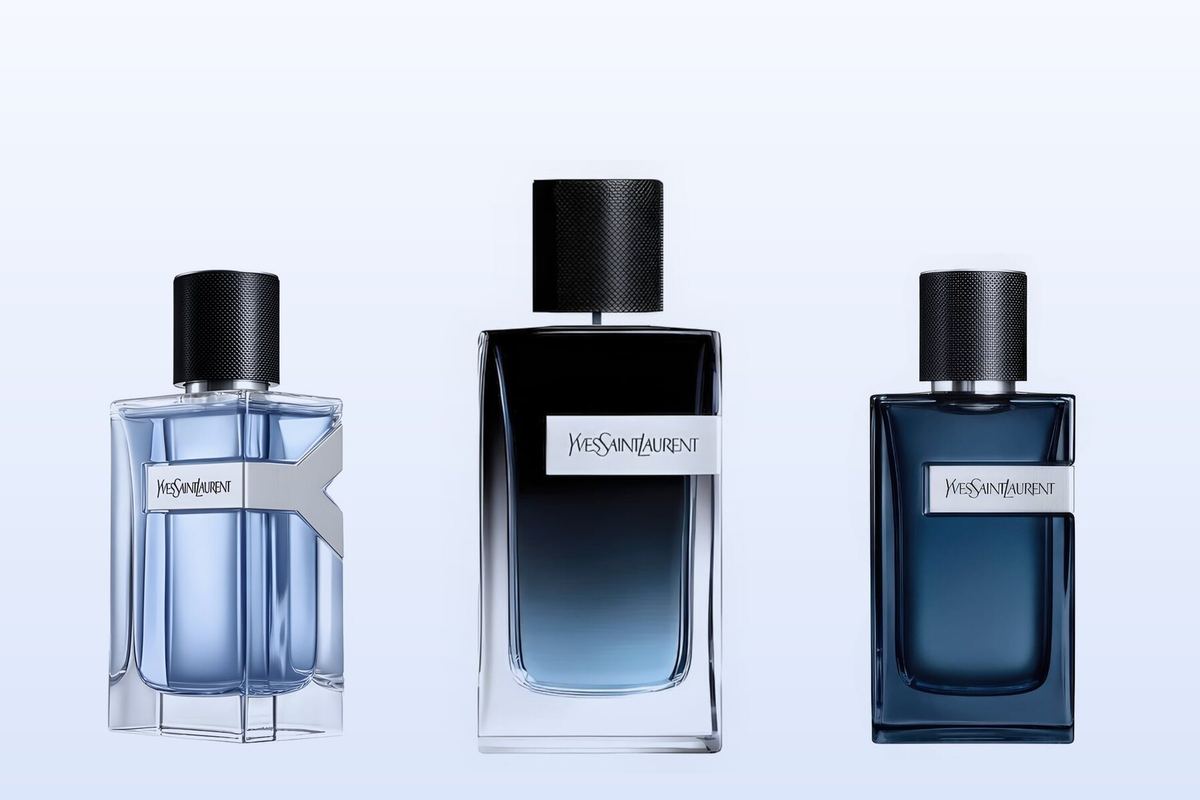
The clearest way to see what a change of strength can mean is to put the notes of one family next to each other. Yves Saint Laurent sells Y in three versions, and each is built differently.
Y Eau de Toilette by Yves Saint Laurent
Y Eau de Toilette opens with aldehydes, bergamot and ginger, which give it a clean, sparkling lift. The heart is herbal, clary sage, geranium and lavender, and the base settles on ambergris, cedar, olibanum and a touch of vanilla. It is the most open and airy of the three, the one to reach for on a warm day.
Y Eau de Parfum by Yves Saint Laurent
Y Eau de Parfum, from 2018, is not the toilette made stronger. It adds apple to a ginger and bergamot opening, builds its heart from sage, juniper berries and geranium, and rests on amberwood and tonka bean, over cedar, vetiver and olibanum. The result is fruitier on top and warmer at the base.
Y Eau de Parfum Intense by Yves Saint Laurent
Y Eau de Parfum Intense, from 2023, takes a third route. Ginger, juniper berries and bergamot lead into geranium, sage and lavender, and the base turns earthier with vetiver, patchouli and cedar. Its base swaps the eau de parfum's sweeter woods for vetiver and patchouli, so despite the name it reads drier and greener.
Read side by side, the three share a herbal, ginger-led spine and little else. If you liked one, the others are cousins, not copies.
Sauvage in four strengths
Dior has taken Sauvage further than most, and the four versions show how far a name can stretch.
Sauvage by Dior
The original Sauvage, from 2015, pairs pepper and Calabrian bergamot with a heart of Sichuan pepper, pink pepper, lavender, geranium, vetiver, patchouli and elemi. Ambroxan, cedar and labdanum make the base: bright, peppery and mineral.
Sauvage Eau Forte by Dior
Sauvage Eau Forte, from 2024, is the pared-back member: elemi and spices, a lavender heart, and a base of musk and woody notes. Despite the strong-sounding name, it is the softest and cleanest of the four on paper.
Sauvage Elixir by Dior
Sauvage Elixir, from 2021, is a different perfume in all but name. Cardamom, cinnamon, grapefruit and nutmeg open onto lavender, then a dense base of amber, Haitian vetiver, licorice, patchouli and sandalwood. It is spiced and sweet where the original is fresh.
Sauvage Extrait by Dior
Sauvage Extrait is the most stripped down: cedarwood, then patchouli, then oud and vetiver. It is dark and woody from start to finish, the one to test for cold evenings.
If you wear the original in summer, Eau Forte is the natural neighbour. If you want the name for winter, Elixir and Extrait are the ones to test, and they are very unlike each other.
Every version, side by side
Richer versions usually cost more per ml, but not always, and the gap is smaller than the names suggest. Here is what changes, and what each costs per ml as a 10ml decant today.
| Perfume | What changes | Price per ml (10ml) |
|---|---|---|
| Y Eau de Toilette | Aldehydes and ginger, airy and bright | €2.19/ml |
| Y Eau de Parfum | Adds apple; warmer amberwood and tonka base | €2.19/ml |
| Y Eau de Parfum Intense | Drier and earthier: vetiver and patchouli | €2.40/ml |
| Sauvage | Pepper, bergamot and ambroxan | €2.34/ml |
| Sauvage Eau Forte | Softer: elemi, lavender and musk | €2.52/ml |
| Sauvage Elixir | Spiced: cardamom, cinnamon, licorice | €3.53/ml |
| Sauvage Extrait | Dark woods: cedarwood, oud, vetiver | €3.87/ml |
| Baccarat Rouge 540 | Airy saffron, amberwood and fir | €4.03/ml |
| Baccarat Rouge 540 Extrait | Nuttier: bitter almond and cashmeran | €5.76/ml |
The pattern is worth knowing before you shop: the version with the grandest name is not automatically the one you will wear most.
Pairs to compare side by side
Plenty of perfumes come in exactly two strengths. These pairs show the range of what a richer version can do, from a gentle deepening to a near rewrite.
Le Male and Le Male Elixir by Jean Paul Gaultier
Le Male, from 1995, starts with lavender, mint, bergamot, artemisia and cardamom, moves to a heart of caraway, orange blossom and cinnamon, and dries down to amber, cedar, sandalwood, tonka bean and vanilla. Le Male Elixir, from 2023, keeps the lavender and mint and goes straight to vanilla and benzoin, finishing on honey, tonka bean and tobacco. The Elixir is sweeter and simpler.
Stronger With You Intensely and Stronger With You Parfum by Giorgio Armani
Stronger With You Intensely, from 2019, runs pink pepper, juniper and violet into a heart of sage, lavender, cinnamon and toffee, then settles on suede, tonka bean, amber and vanilla. Stronger With You Parfum, from 2025, is leaner: mandarin and pink pepper, lavender and sage, then chestnut and vanilla. The choice is toffee and suede, or chestnut.
MYSLF Eau de Parfum and MYSLF Le Parfum by Yves Saint Laurent
MYSLF Eau de Parfum, from 2023, is bright and clean: Calabrian bergamot, Tunisian orange blossom, then ambrofix and patchouli. MYSLF Le Parfum, from 2024, adds black pepper on top and a base of bourbon vanilla, amber, woody notes and patchouli. The same floral heart, dressed for a colder season.
Black Opium and Black Opium Le Parfum by Yves Saint Laurent
Black Opium, from 2014, sets pear, pink pepper and orange blossom against coffee, jasmine, bitter almond and licorice, on vanilla, patchouli, cashmere wood and cedar. Black Opium Le Parfum, from 2022, piles on the vanilla, Madagascar vanilla, bourbon vanilla and vanilla orchid, with coffee and patchouli, after cinnamon, pear, green mandarin, jasmine sambac and solar notes. The richer version is creamier rather than simply bigger.
Libre and Libre Le Parfum by Yves Saint Laurent
Libre, from 2019, is lavender and orange blossom: mandarin orange, black currant and petitgrain above jasmine, then Madagascar vanilla, musk, cedar and ambergris. Libre Le Parfum, from 2022, credited to Anne Flipo and Carlos Benaim, warms the opening with ginger and saffron and ends on bourbon vanilla, honey, tonka bean and vetiver.
Baccarat Rouge 540 and Baccarat Rouge 540 Extrait by Maison Francis Kurkdjian
Baccarat Rouge 540, from 2015, is airy and sugared: saffron and jasmine, amberwood, ambergris and hedione, then fir, cedar, sugar, ambroxan and oakmoss. Baccarat Rouge 540 Extrait, from 2017, adds bitter almond to the saffron and turns to Egyptian jasmine and Virginia cedar, over ambergris, musk, ambroxan and cashmeran. The Extrait is the nuttier, denser reading of the same idea.
How to choose a strength without smelling it
Before you compare notes, decide how you will wear the perfume. That answers more of the question than the label does.
- Where you will wear it. For an office, a train or a shared room, a lighter version is kinder to the people around you. For evenings out and cold air, the richer version has more to say.
- When in the year. Fresh, citrus and herbal versions sit well in spring and summer; vanilla, amber and resin versions come into their own in autumn and winter.
- How often you reapply. If you like to top up during the day, an eau de toilette gives you room to. If you want one application in the morning and no more, start with the richer version and a light hand.
- Which notes you already like. If you love the opening of a scent, the lighter version usually keeps it closer to the front. If it is the dry-down you love, the richer one tends to give you more of it.
Then read the notes of both versions, not just the name. Our guide to choosing perfume without smelling it explains how to turn a list of notes into a fair first impression, and how long a 10ml perfume lasts helps you size a test to your routine.
Wear both before you buy the bottle
The honest answer to eau de parfum vs eau de toilette is personal, because the same concentration can wear very differently from one skin to the next. You do not have to guess.
Take the two versions you are deciding between as small decants, filled from the original bottle. Spray one on each wrist on the same morning, smell them at lunch and again in the evening, then swap wrists the next day. After a few days, one of them will usually feel like yours.
A 3ml is enough to discover a scent, at around 60 sprays. If both versions still appeal, a 10ml decant gives you around 200 sprays, enough to wear the winner for weeks through changing weather. When you are sure, a 30ml, at around 600 sprays, is the size to keep and the best value per ml. Our comparison of a decant against a full bottle covers when each makes sense.
If the richer version wins but fades sooner than you hoped, our tips to make perfume last longer are worth reading before you switch strengths again. And for a wider shortlist of warm, rich scents to test the same way, start with long-lasting perfumes for men.
Frequently asked questions
- What is eau de toilette?
- Eau de toilette is a lightly concentrated perfume: it carries less perfume oil than an eau de parfum and more than an eau de cologne. Its bright opening notes sit forward, it invites an extra spray, and it suits offices, warm weather and people who like to reapply during the day.
- Is eau de parfum stronger than eau de toilette?
- An eau de parfum contains more perfume oil than an eau de toilette, so each spray carries more scent and usually feels richer. It is not always louder or longer on skin: that also depends on the materials, your skin and the weather, and houses often change the notes between versions.
- What is the difference between EDP and EDT?
- EDP is eau de parfum and EDT is eau de toilette. The EDP has a higher concentration of perfume oil and leans more on its heart and base notes; the EDT is lighter and brighter. Two versions sharing a name, such as Y Eau de Toilette and Y Eau de Parfum, are often different formulas with different notes.
- What is extrait de parfum?
- Extrait de parfum, also called parfum, is the richest concentration a house usually sells, with the highest share of perfume oil. It often sits closer to the skin rather than projecting further. Sauvage Extrait and Baccarat Rouge 540 Extrait each have a different list of notes from the original they share a name with.
- Is the richer version always more expensive per ml?
- Usually, but not always, and the gap is smaller than the names suggest. As a 10ml decant at 10ML, Sauvage is €2.34/ml and Sauvage Elixir is €3.53/ml, while Y Eau de Parfum Intense is €2.40/ml, no more per ml than the lighter Y Eau de Toilette.
- Should I buy the eau de toilette or the eau de parfum?
- Choose by how you will wear it: lighter versions suit offices, warm weather and people who like to reapply, while richer versions suit evenings and cold months. The fairest way to decide is to wear both as small decants, one on each wrist, for a few days before buying a bottle.
Sources
Wear it for a week, not ten seconds.
Designer and niche fragrances in 10ml decants, so you can live with a scent before you commit.
Shop decantsMore on wearing perfume
Long-lasting perfumes for women, by what the community votes
Fourteen long-lasting perfumes for women, grouped by style, with each one's community longevity vote stated plainly, and how to see the staying power on your own skin before you buy a bottle.
How long does a 10ml bottle of perfume last?
About 200 sprays, which is roughly two months at three sprays a day. Here is the maths for every routine, and what decides how long the scent itself stays on your skin.
The best long-lasting perfumes for men, and how to test them first
Ten men's and shared fragrances with real staying power, from Aventus to Oud Wood, and why a week with a 10ml decant tells you more about longevity than anything you read online.
Keep reading
Best perfume for men: 18 picks by style, and the aftershave question answered
The best perfume for men is the one in the style you already reach for. Eighteen men's perfumes grouped by style, compared side by side, an "if you wear this, try that" ladder, and what aftershave really means.
YSL Libre: the original vs 6 alternatives
Six YSL Libre dupes compared on notes, character and a dated bottle price, including which ones really follow Libre Intense. Or wear Libre itself first as a 3ml decant.
10ML Price-per-ml Index 2026: what perfume costs per ml
What perfume costs per ml in 2026: medians at 3ml, 10ml and 30ml, niche vs designer, and official full-bottle prices of the same perfumes. Free CSV and JSON.